
Our First 1,200 Kilometres: The 10 Things That Got Us There Calm
Three days, two nights and a car that had never left the city. What we packed for the drive, where each thing earned its place, and what stayed in the boot.
10 products8 min read
A car that had never left the city
We had owned the car for four years and the furthest it had been was a garden centre forty minutes away. In early October we decided to drive it 1,200 kilometres to a wedding, over three days, with two nights in cheap hotels on the way. Neither of us had done a long drive since we were children in the back of someone else’s car.
A week out we realised we did not know what to do if a tyre went soft, whether the battery would start the car on a cold hotel-car-park morning, or how a passenger survives three hours in our passenger seat. So we bought for four moments, and went. This is the drive, with the things we brought appearing where we needed them.
The night before — what if something breaks
The night before we left we stood in the driveway with the boot open and a torch and realised that the spare wheel was a can of foam and a sticker. The first four things we bought were all for that feeling.
The inflator that stopped itself
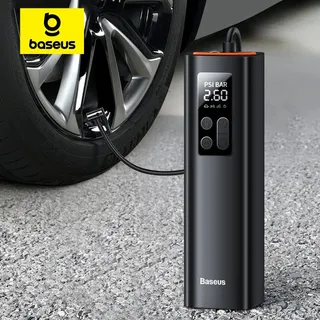
The Baseus Mini 12V car tyre inflator, about $34, is a compressor the size of a thermos flask that plugs into the car’s 12V socket. You set a target pressure on its screen, screw it onto the valve, and it runs until it reaches that number and stops. On the driveway it took a tyre from 28 to 34 PSI in about two minutes; on the second morning it did the same thing for real in a hotel car park after a slow leak. It is loud, and the lead reaches the rear tyres on our hatchback with nothing to spare; in a long car you might have to move it.
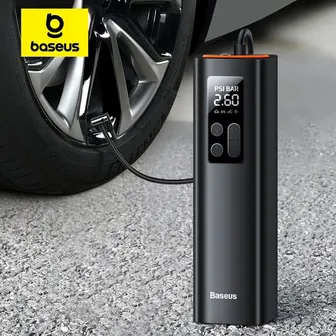
Baseus Mini 12V Car Tyre Inflator (150 PSI, Digital)
$34.09
The jump starter we charged and hoped not to use
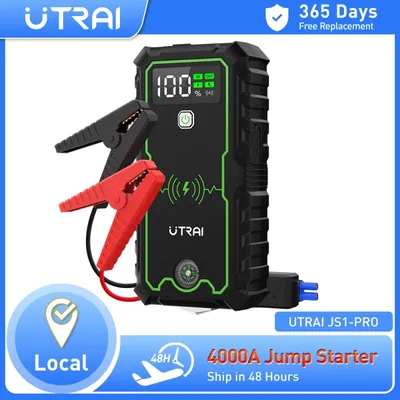
The UTRAI portable jump starter, about $57, is a power bank the size of a paperback with a pair of short clamps that plugs into itself. It starts a car with a flat battery on its own, without a second car or anyone else’s cables, and charges phones the rest of the time. We did not need it, but the second morning was two degrees and the engine turned over slowly enough that we were glad it was under the seat. It needs topping up every few months while it sits in the boot; a flat jump starter is just a heavy brick.

UTRAI Portable Jump Starter Power Bank (12V)
$56.66
The gauge that made the slow leak obvious
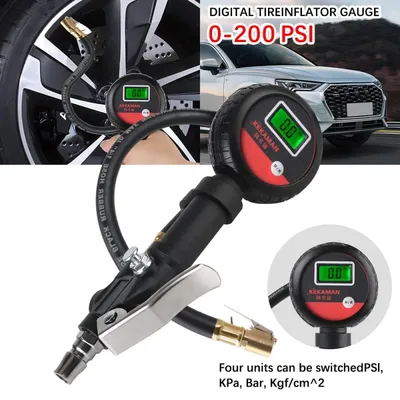
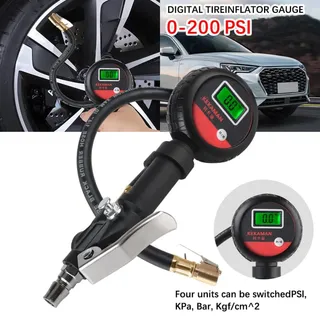
The digital tyre pressure gauge, about $12, is a pocket gauge with a lit screen that reads the pressure in a second. Checking all four tyres in the driveway found one at 28 when the others were at 34, which is how we knew about the slow leak before it was a flat on a motorway; checking again at every petrol stop became a two-minute ritual. It runs on a coin battery and will not warn you before it dies; we have a spare in the glovebox now.
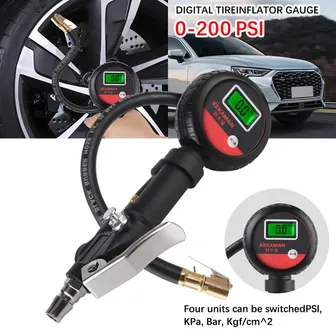
Digital Tyre Pressure Gauge (LCD, Backlit)
$12.29
The kit for the nail in the tread
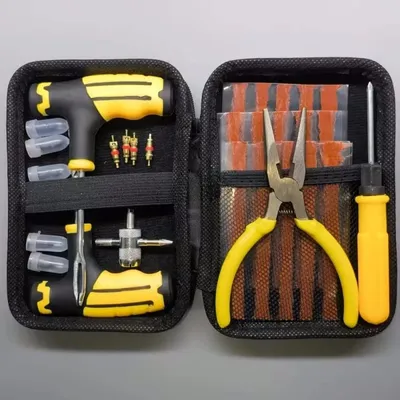
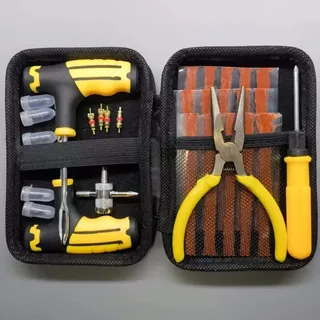
The tyre puncture repair kit with pliers and a valve tool, about $11, is a small bag of rubber plugs, a reamer, an insertion tool and a pair of pliers for pulling out whatever went in. With the inflator above it means a nail in the tread is a roadside repair and a drive to the next town, rather than a tow. We practised once on an old tyre at home, which we recommend, because the reamer takes more force than you expect. It is for the tread only; a cut in the sidewall needs a new tyre.
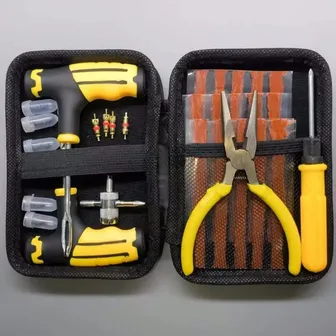
Tyre Puncture Repair Kit with Pliers and Valve Tool
$11.05
We did not use it. The slow leak was a valve, and the inflator and the gauge got us to a garage that fixed it for the price of a coffee.
Hour three — the passenger’s neck and the sun
The first three hours of the first day were fine. Then the motorway turned south-west, the sun came round to the passenger’s side, and the passenger, who had been dozing, woke up with a crick in their neck and the sun in their face and did not speak for twenty minutes.
The pillow that held a head up
The Road Pal memory foam headrest pillow, about $19, is two thick foam wings on a bar that clamps to the headrest posts and swings in to meet the side of your head. With the wings in, the passenger could doze without the slow slide towards the window that ends in a jerk and a sore neck. It adjusts for height and angle and took a minute to fit at a services. It only works on headrests with two exposed posts; ours have them, and a lot of newer cars with sculpted seats do not.

Road Pal Memory Foam Headrest Pillow (Adjustable Wings)
$19.15
The curtains on the back windows
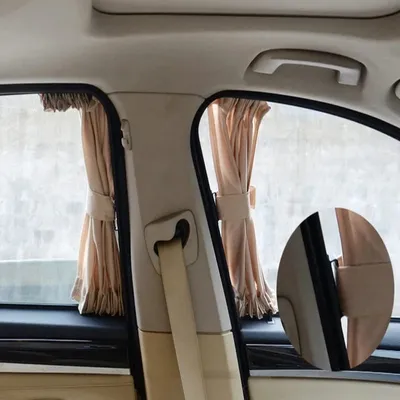
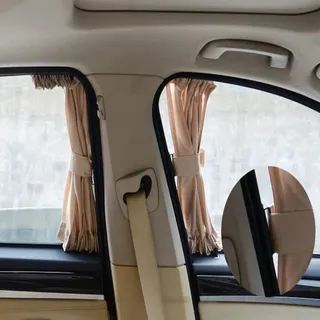
The side window car curtains, about $10 for a pair, are black cloth curtains on slim rails that sit along the top edge of the rear side windows. They draw across when the sun comes round and tie back when it does not, so there is nothing to put up and take down at every stop. On the second afternoon, with the sun low on the left for two hours, the passenger reclined the seat, drew the curtain and slept. Fitting the rails took a careful ten minutes at the hotel, and the driver’s side has to stay tied back or the mirror is blind.
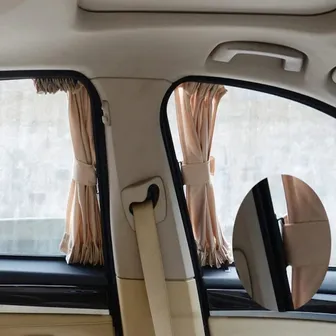
Side Window Car Curtains on Rails (2 Pack, Black Cloth)
$10.29
The cooler that kept us out of the services
The 13-litre insulated tactical cooler bag, about $20, is a stiff-sided bag with thick padding and a leakproof liner that lived behind the passenger seat. Filled with ice from the hotel machine each morning, it held drinks and the previous night’s leftover sandwiches cold until the evening, which meant we stopped at services for fuel and a walk rather than for a $9 sandwich. Thirteen litres is about a dozen cans and a lunch for two; a family would want something bigger.

13L Insulated Tactical Cooler Bag (Leakproof)
$19.69
By the time we stopped for fuel at the end of the first day, the passenger was speaking again. The petrol station brought its own problem.
The petrol station — phone, music, the one socket
Our car is old enough to have one 12V socket, a radio and an aux hole, and the phone had been riding in the cup holder, face up, reading the map to nobody. At the first fuel stop, with someone waiting behind us, we tried to sort the phone, the music and the charging all at once and did none of them well.
The mount that put the map where we could see it
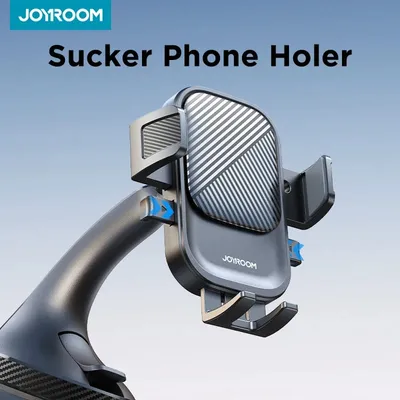
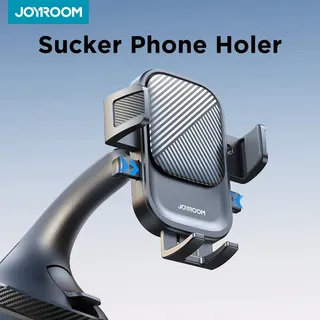
The Joyroom universal suction phone mount, about $12, is a suction cup with a telescopic arm and a spring clamp that puts the phone at eye level on the windscreen or dashboard. We fixed it to the dash with the lever and it held for the remaining 900 kilometres, over every expansion joint and one very bad stretch of roadworks. The clamp takes a phone with a case on. Suction cups do not like dusty dashboards; wipe the spot first and press the lever harder than feels polite.
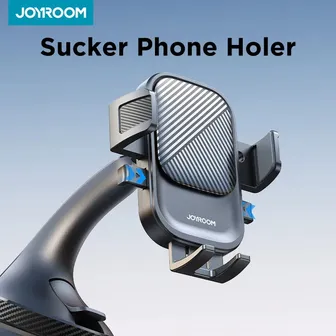
Joyroom Universal Suction Phone Mount (Dashboard/Windscreen)
$12.05
The receiver that gave an old radio Bluetooth
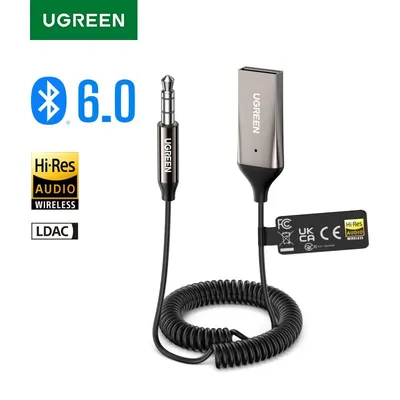
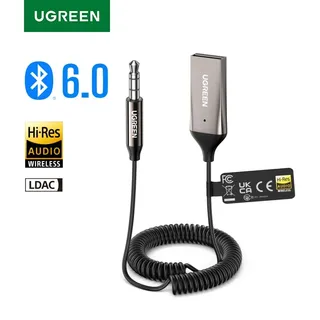
The UGREEN Bluetooth aux receiver, about $13, is a small plug that goes into the car’s USB port for power and the aux socket for sound, and turns a radio-and-aux stereo into a Bluetooth one. It paired once at the services and after that connected itself every time we started the car; it has a microphone, so the two calls we had to make on the second day were hands-free. It needs an aux socket, which our car has and a lot of slightly newer cars do not.
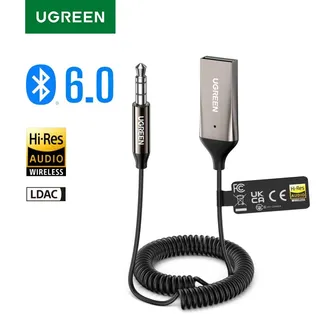
UGREEN Bluetooth Aux Receiver (USB-Powered, with Mic)
$12.74
The phone charged off the one 12V socket with the plug we already owned, which was the last problem solved. We drove the rest of the way with a map we could see and music we could change without taking a hand off the wheel.
Arriving — the floor of the back seat
We arrived at the first hotel at eight in the evening, opened the back door, and everything we had brought for the drive fell out onto the car park: cables, the gauge, the empty cooler, two chargers. The second day we did something about it.
The organiser that made the boot a boot
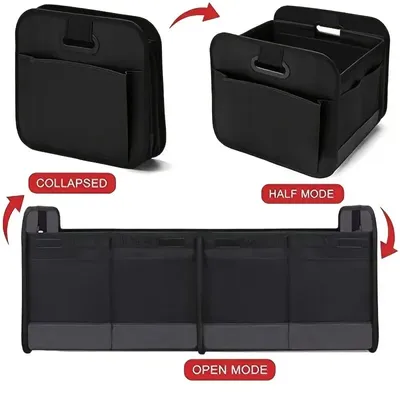
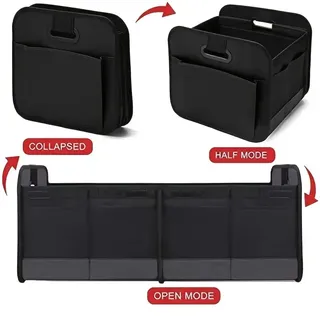
The collapsible 600D Oxford trunk organiser, about $22, is a stiff-walled fabric box with compartments that took the inflator, the repair kit, the jump starter, the cooler and the bag of cables and kept them apart. From the second morning the back seat floor was empty and we could find the gauge at every stop without emptying the car; the reinforced handles mean the whole thing lifts out at the hotel in one go. The walls keep their shape with heavy things inside and slump with light ones, so the inflator went in a corner.
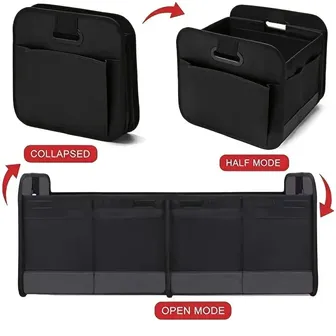
Collapsible 600D Oxford Trunk Organiser (Multi-Compartment)
$22.45
We got to the wedding on the third afternoon with a tidier car than we left with, one tyre fixed for the price of a coffee, and a passenger who had slept through two of the worst hours. We drove home the same way a week later and used everything except the repair kit, and we are glad it is there.
What we’d leave at home
Everything in this story
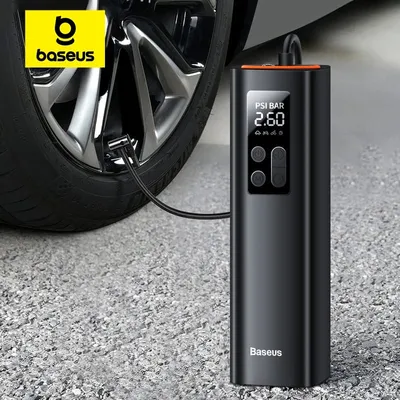
Baseus Mini 12V Car Tyre Inflator (150 PSI, Digital)
$34.09
UTRAI Portable Jump Starter Power Bank (12V)
$56.66
Digital Tyre Pressure Gauge (LCD, Backlit)
$12.29
Tyre Puncture Repair Kit with Pliers and Valve Tool
$11.05

Road Pal Memory Foam Headrest Pillow (Adjustable Wings)
$19.15
Side Window Car Curtains on Rails (2 Pack, Black Cloth)
$10.29

13L Insulated Tactical Cooler Bag (Leakproof)
$19.69
Joyroom Universal Suction Phone Mount (Dashboard/Windscreen)
$12.05
UGREEN Bluetooth Aux Receiver (USB-Powered, with Mic)
$12.74
Collapsible 600D Oxford Trunk Organiser (Multi-Compartment)
$22.45
Everything here comes to about $210. Prices in USD; they move a little from week to week.



Frequently asked questions
What do I actually need in the car for a first long road trip?
Something for a flat tyre, something for a flat battery, a way to see the map and a way to keep the passenger comfortable. Our kit for two people came to about $210, and the two emergency items — the tyre inflator and the jump starter — were about $91 of that and were the two we were most glad to have.
Is a cheap tyre inflator good enough to rely on?
For topping up a soft tyre and for the drive to the nearest garage after a plug repair, yes. The one in this story cost about $34, plugs into the 12V socket and stops itself at the pressure you set. It is not a workshop compressor and it is slow on a big tyre, but that is not what a road trip needs.
Do I need a jump starter if I have never had a flat battery?
On a long trip, yes, because the first time happens somewhere you do not know anyone with cables. A pocket jump starter costs about $57, starts the car on its own, and charges phones the rest of the year. Charge it before you go; one that has sat flat in a boot for six months is a brick.
How do I keep the passenger from going stiff on a long drive?
A headrest pillow with wings that hold the head upright, and curtains or shades on the side windows so the low sun is not in their face for an hour. Those two cost about $29 between them and did more for the second day than anything else we brought.
How long before the trip should I order?
Two to three weeks. Most of this ships from overseas and takes one to three weeks, and you want an evening at home to charge the jump starter, test the inflator on a tyre in the driveway and pair the receiver before you rely on any of them.