
Our First Night in a Tent: The 10 Things That Made It Work
We'd never slept outside before. This is the story of one lake, one cold night, and the ten small things that turned a bad idea into a good weekend.
10 products7 min read
The lake we almost didn’t go to
It started as a dare over dinner in late September. Neither of us had ever slept outdoors. We had a borrowed two-person tent, a car, and a lake two hours north that a friend kept describing as “the easiest first campsite you could ask for.”
We also had a shopping cart full of things we didn’t understand. So we did the simplest thing we could think of: we wrote down what a night actually consists of — lying down, staying dry, seeing after dark, eating something hot — and bought for those four moments and nothing else.
This is the story of that night, with the gear appearing where it appeared for us.
9 p.m. — lying down on the ground
The tent went up in twenty minutes and we were proud of ourselves right until we lay down. The ground was colder than the air, and every root under the floor introduced itself.
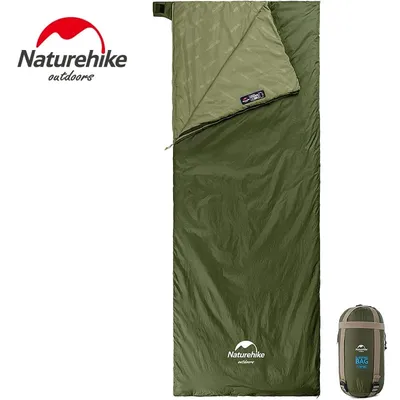
The bag that was warmer than it looked
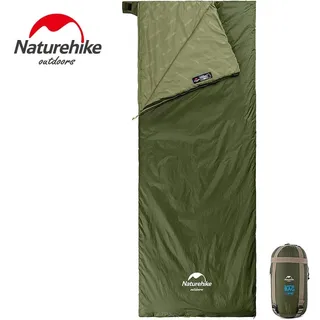
The Naturehike LW180 is a three-season sleeping bag that costs about $27 and was the first thing we unrolled. It looks thin. It isn’t, for a late-September night in the low fifties: zipped up with the hood cinched, we were warm within ten minutes, and in the morning it stuffed back into a sack the size of a one-litre bottle. The one thing to check before ordering is length — it runs short for anyone over six feet, and the longer version is a separate option.
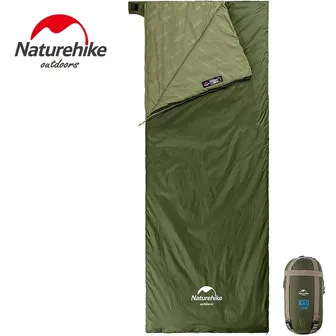
Naturehike LW180 Ultralight Sleeping Bag
$27.09
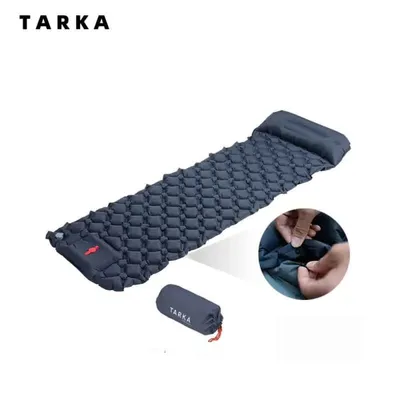
The pad that fixed the roots
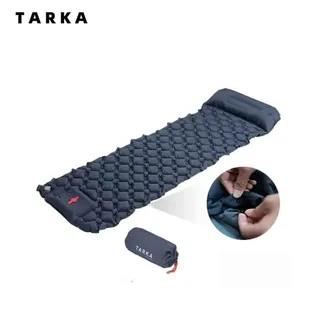
The TARKA inflatable sleeping pad, about $23, is why we slept at all. Two inches of air between us and the ground turned the roots into a rumour, and the built-in pillow meant one less thing to think about. It is louder to roll over on than a foam mat — the first time one of us turned, the other one laughed — but by midnight nobody noticed. If you sleep on your side, this is the one item in the kit not to skip.
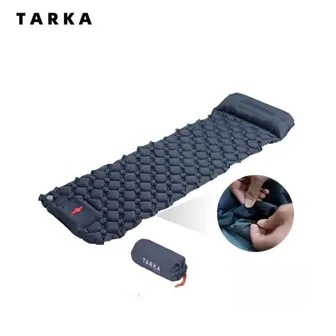
TARKA Inflatable Sleeping Pad with Built-in Pillow
$23.09
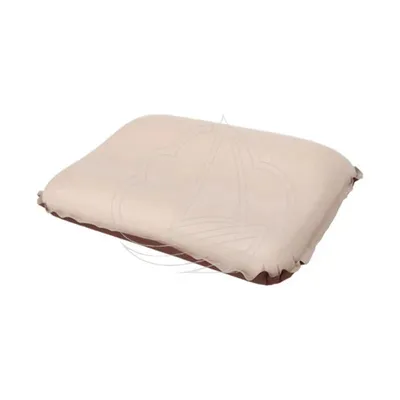
The small pillow one of us insisted on
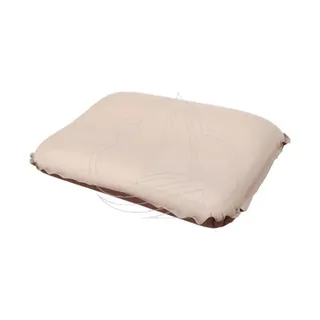
One of us can’t sleep on an air pillow and brought a self-inflating sponge pillow, about $11, out of stubbornness. It unrolls, breathes in on its own, and feels like a thin real pillow rather than a balloon. The other one slept fine on the pad’s built-in pillow and still thinks this was unnecessary. Both positions are defensible; it packs to the size of a soda can either way.
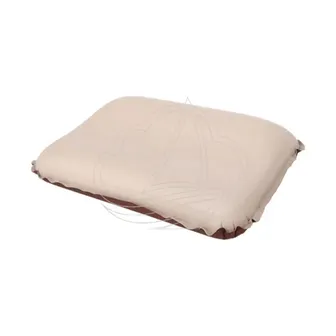
Self-Inflating Camping Pillow (3D Neck Support)
$10.95
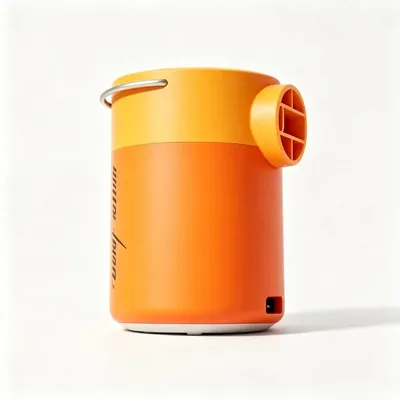
The pump that saved our lungs
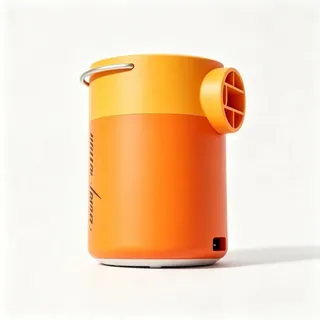
We blew the first pad up by mouth. Thirty breaths, slightly dizzy, sitting in a tent at 9 p.m. The second pad we inflated with a USB-C mini air pump, about $23, in a little under a minute, and then used it as a light to find the zipper. This is firmly a comfort item — lungs are free — but it is the one that made the second morning’s pack-down pleasant instead of a chore, because it deflates the pads too.
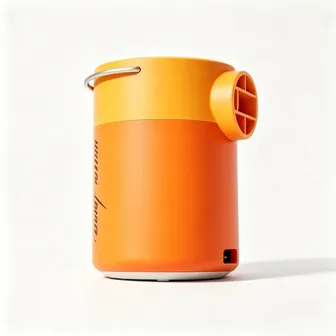
Mini Rechargeable Air Pump with LED Light
$23.39
We fell asleep around eleven. We woke at six to the sun hitting the tent like a spotlight, which is how we learned about the second moment.
7 a.m. — shade, a seat, and a dry corner
By seven the tent was an oven and the grass was soaked. We had nowhere to sit that wasn’t wet and nowhere to stand that wasn’t bright. The two things we’d bought for this turned out to matter more than the tent itself.
The tarp that made a porch
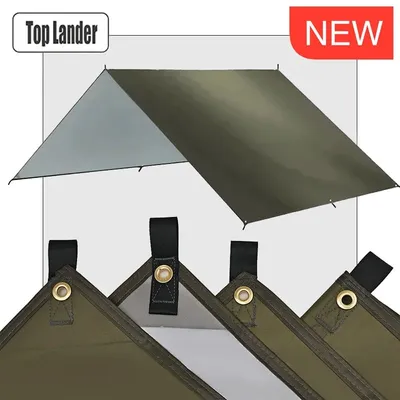
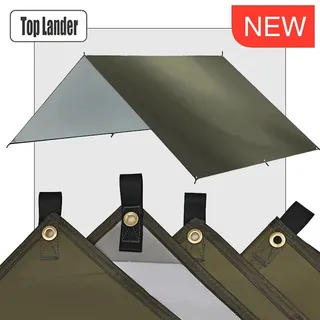
The Top Lander waterproof tarp, about $25, went up between two trees in about ten minutes and gave us a dry, shaded square to live in for the rest of the day. Breakfast happened under it; when a short shower came through at noon, so did we. It comes with guylines and stakes, but you do need two anchor points — trees, trekking poles, or a roof rack — because a tarp is a roof, not a room.
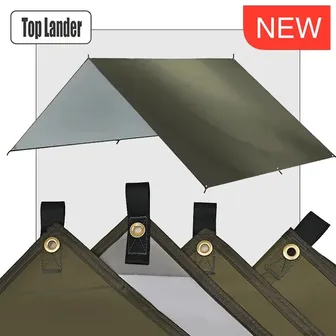
Top Lander Waterproof Camping Tarp
$24.59
The chair we fought over
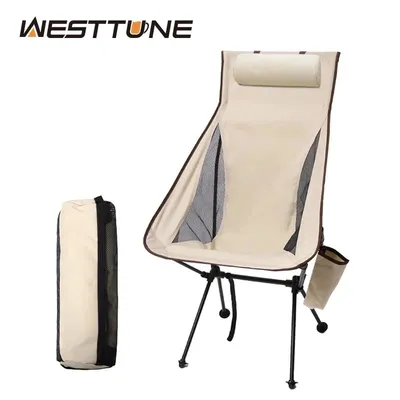
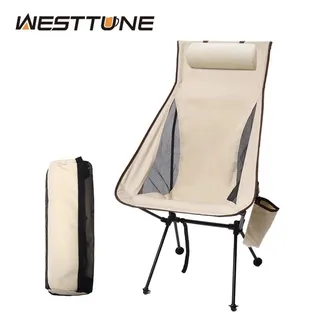
We bought one WESTTUNE folding chair with a headrest, about $32, because it seemed like a luxury. It was the most used object of the weekend. The aluminium frame packs into a bag the size of a water bottle, the headrest actually holds your head, and we took turns in it with a cup of coffee while the other sat on the tarp and complained. Next time we bring two. If you have bad knees, note that it sits low.
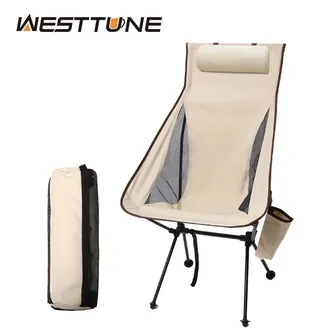
WESTTUNE Folding Camping Chair with Headrest
$32.19
The day was easy after that: a swim, a nap under the tarp, a walk around the lake. Then the sun went behind the ridge at about half past six, and the third moment arrived faster than we expected.
7 p.m. — the dark comes early
Our phones were the plan for light. By seven-thirty one was at twelve percent and the other was propped in a cup pointing at the ceiling. We’d packed two real lights almost as an afterthought, and they rescued the evening.
The lantern that hung from the tarp
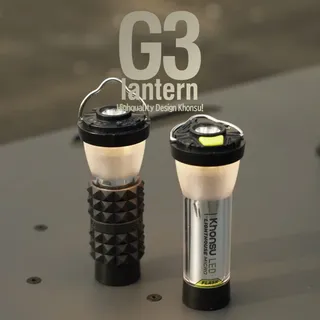
The GZ Lighthouse rechargeable lantern, about $15, clipped to the tarp’s ridgeline and lit the whole porch in a warm, even glow for the rest of the night and most of the next. It has a 3,000 mAh battery and ran on low until we switched it off at midnight with charge to spare. It’s an area light, not a torch — it’s what made the campsite feel like a room — but you still want something for your head.
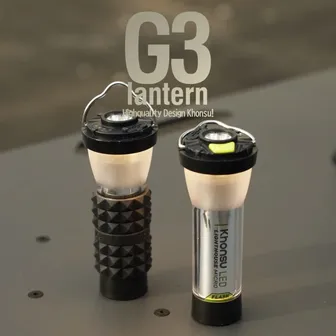
GZ Lighthouse Rechargeable Camping Lantern (3000mAh)
$14.85
The headlamp that made cooking possible
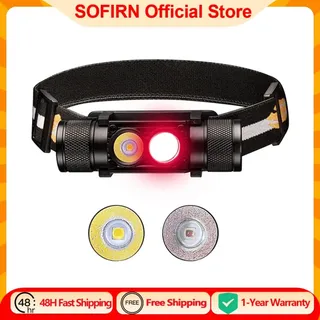
The Sofirn H25LR is a rechargeable headlamp, about $25, with a high-CRI LED that shows true colours. That sounds like a specification until you’re trying to tell whether the pasta is done in the dark; under this light, it looked like pasta. It’s heavier than the flat COB headlamps you see for ten dollars, and worth it only if you’ll use it beyond one trip — we have, every week since, walking the dog.
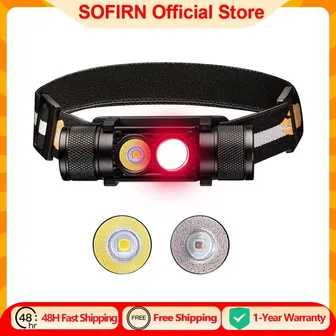
Sofirn H25LR Rechargeable Headlamp (High-CRI LED)
$24.99
Which brings us to dinner, and the moment we’d been quietly dreading.
8 p.m. — something hot, finally
We’d eaten protein bars for breakfast and crisps for lunch. The plan for dinner was “boil water,” and two small pieces of titanium made it work better than our kitchen at home.
The stove the size of a lighter
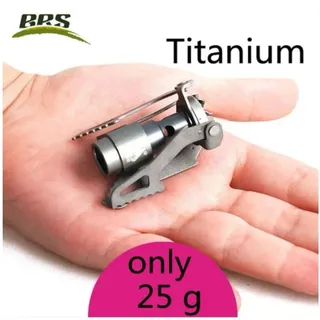
The BRS-3000T is a 25-gram titanium stove that costs about $17 and screws onto a standard threaded gas canister. It lit on the first click and brought half a litre of water to a boil in a little over three minutes while we stood over it feeling like experts. Its pot supports are small — keep pots under a litre, and don’t run it flat out for twenty minutes — but for coffee, noodles and hot chocolate it is all the stove a first trip needs.
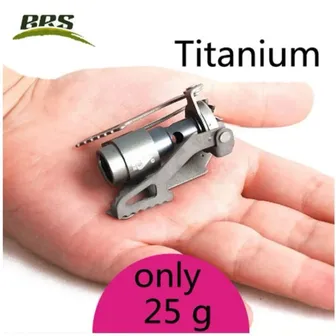
BRS-3000T Titanium Pocket Stove (25g)
$17.45
The cup that did everything
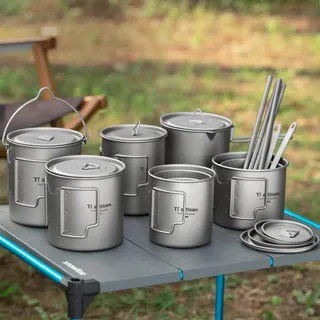
The Tiartisan titanium cup, about $13, was our pot, our mug and our bowl. Water boiled in it on the stove, noodles cooked in it, coffee was drunk from it an hour later with the handles folded back. Titanium doesn’t taint the taste of anything and weighs almost nothing; it does get hot, so we learned to wait a minute before the first sip.
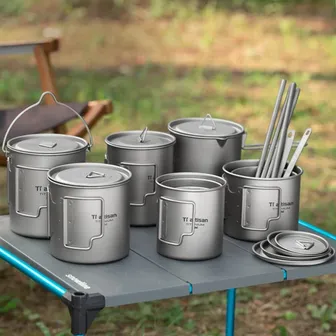
Tiartisan Titanium Cup with Folding Handles
$13.39
We ate under the lantern, in the one chair and on the tarp, and decided somewhere around the second coffee that we’d do this again.
What we’d leave at home
Everything in this story
Naturehike LW180 Ultralight Sleeping Bag
$27.09
TARKA Inflatable Sleeping Pad with Built-in Pillow
$23.09
Self-Inflating Camping Pillow (3D Neck Support)
$10.95
Mini Rechargeable Air Pump with LED Light
$23.39
Top Lander Waterproof Camping Tarp
$24.59
WESTTUNE Folding Camping Chair with Headrest
$32.19
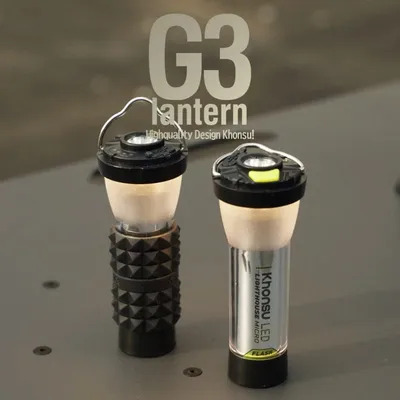
GZ Lighthouse Rechargeable Camping Lantern (3000mAh)
$14.85
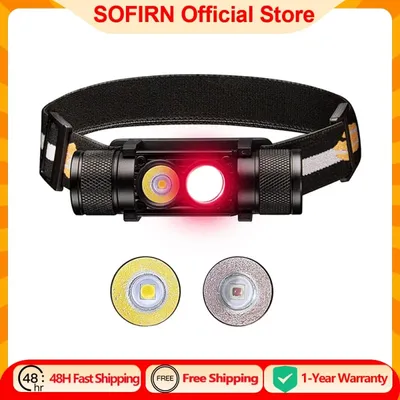
Sofirn H25LR Rechargeable Headlamp (High-CRI LED)
$24.99
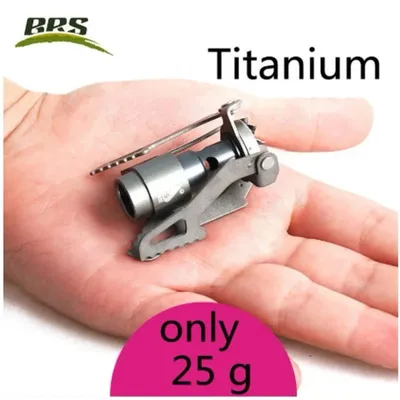
BRS-3000T Titanium Pocket Stove (25g)
$17.45
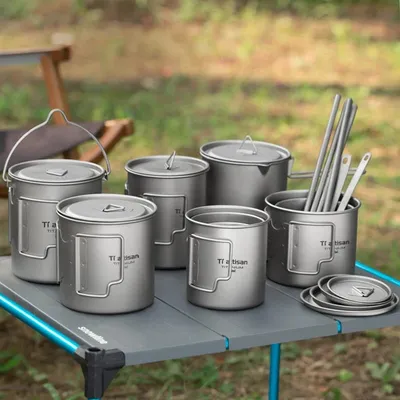
Tiartisan Titanium Cup with Folding Handles
$13.39
Everything here comes to about $212. Prices in USD; they move a little from week to week.
Frequently asked questions
What do I actually need for a first overnight camping trip?
Four things, in this order: something to sleep in, something to sleep on, a light, and a way to boil water. Everything else — chair, tarp, pillow, pump — is comfort. Our first-trip kit came to about $212 with the comforts, or about $92 for just the four essentials.
Is budget camping gear good enough for a beginner?
Yes, for mild weather and one or two nights. The kit in this story is beginner-weight gear — not ultralight, not expedition — and every item is one we'd pack again. Spend on the sleeping pad and bag first; those decide whether you sleep.
How do I choose a camping sleeping pad?
Pick thickness first: two inches or more if you sleep on your side. A built-in pillow saves packing one more thing. Insulation rating matters in cold weather, but for a mild first overnight, thickness and packed size matter more.
Do I need a tent if I buy a tarp?
Yes. A tarp is shade and a dry porch, not a bedroom. For a first overnight, borrow a tent or book a site with a shelter, and let the tarp handle the midday sun and the cooking corner.
How far ahead should I order?
Two to three weeks before the trip. Most of this gear ships from overseas and takes seven to twenty days to arrive, and you'll want a night at home to inflate the pad and light the stove once before you rely on them.