
The Day Hike That Ran Long: The 11 Things We Were Glad We Carried
Twenty-two kilometres, one ridge with no shade and a descent in the dark. This is the story of the day we learned what a daypack is for, and the small things that got us home.
11 products7 min read
A loop that said “6 hours” on the sign
The trail was a loop in the hills an hour from home, and the board at the trailhead said six hours. We had done two- and three-hour walks before, in trainers, with a bottle of water each in a tote bag. This one went up to a ridge, along it, and back down through forest, and we treated it as a step up rather than a different sport.
It was a different sport. The day took eight and a half hours, the ridge had no shade, one knee gave out on the way down, and the last kilometre was in the dark. We got back to the car tired and happy and slightly ashamed of how close it had been. Here is what we carried, in the order it mattered.
8 a.m. — the trailhead, deciding what to carry
We had bought two packs, because we are two people with different ideas about snacks, and we stood at the car for ten minutes moving things between them.
The pack that didn’t swing
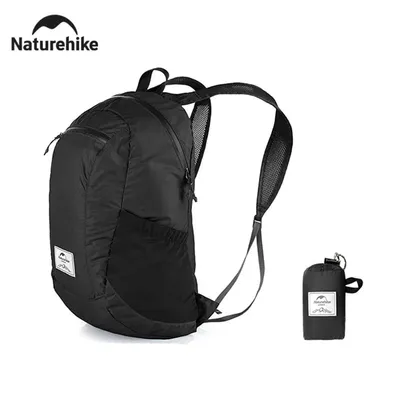
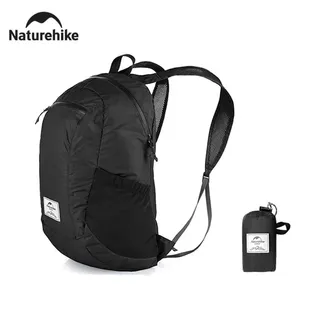
The Naturehike 18L ultralight daypack, about $16, was the smaller of the two and the one that fit better. It sits flat against your back, which turns out to matter more than any other feature: a pack that swings when you step up onto a rock pulls you off balance, and this one didn’t. It took a bottle, lunch, a shell and the first aid kit with nothing to spare. The hip belt is a thin strap, so the weight sits on your shoulders; with four kilos that was fine.
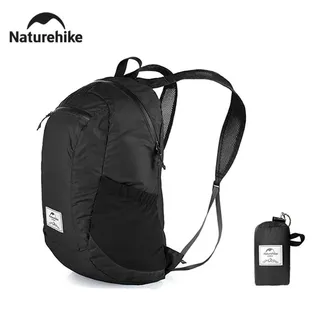
Naturehike 18L Ultralight Daypack
$16.33
The pack for the one of us who overpacks
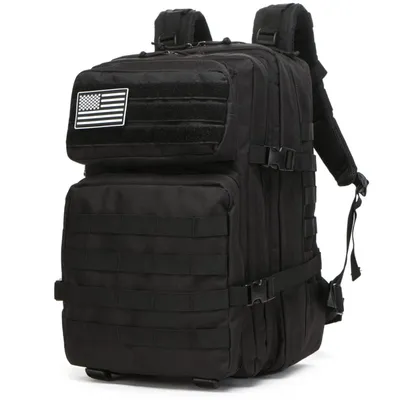
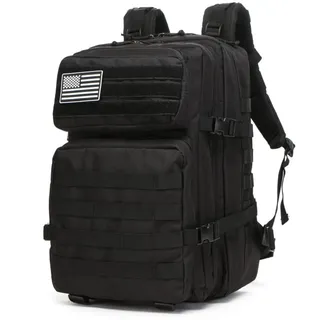
The 25-litre hiking daypack with MOLLE straps, about $20, was the other one. It has a stiffer back panel and webbing on the outside, which by lunchtime had a pair of poles strapped to it. It swallowed an extra fleece, a second bottle, and a quantity of snacks that we will not itemise here. It is heavier empty than the 18-litre, and the extra room got filled, as extra room does. Still the right pack for the person who wore it.
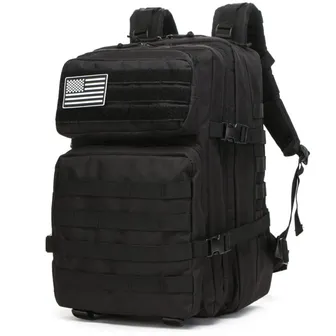
25L Hiking Daypack with MOLLE Straps
$19.69
The flask that was cold at the ridge
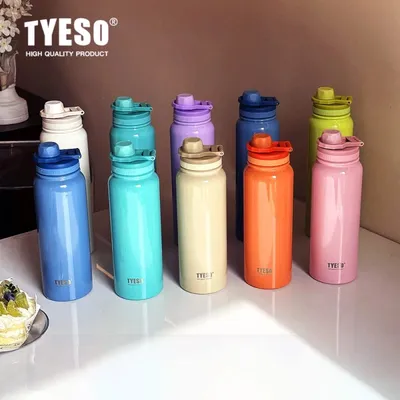
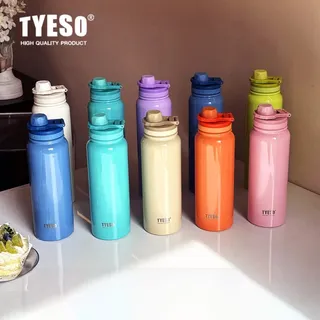
The TYESO stainless thermos bottle, about $10, is a light steel flask that fits the side pocket of either pack. Filled with cold water at the car, it was still cold two hours later on the ridge, which the plastic bottle in the other pack was not. The mouth is narrow, so topping it up from a stream was a two-person job with a lot of spilling.
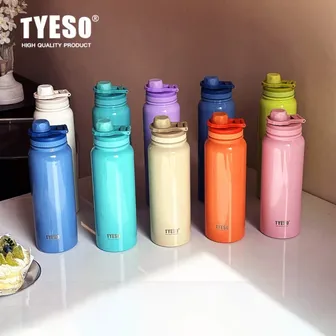
TYESO Stainless Thermos Bottle (Outdoor Sports)
$10.33
The rain cover we almost didn’t pack
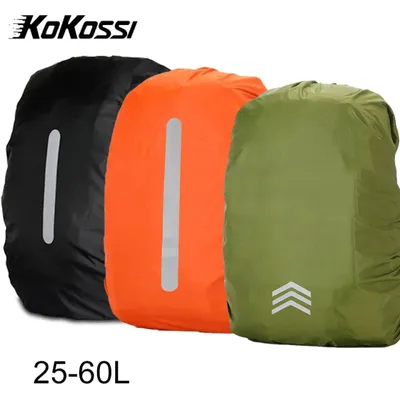
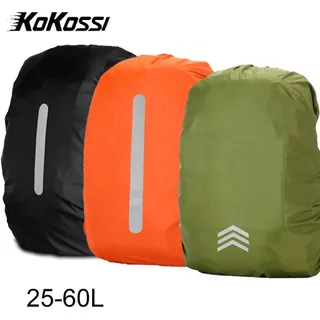
The backpack rain cover, about $3, is a bright elastic bag that lives in the bottom pocket. It rained for exactly twelve minutes at about ten o’clock, hard, and the cover went on in ten seconds and came off in five. Without it the spare socks would have been wet, and wet spare socks are the same as no spare socks. It is sized for 25- to 40-litre packs and swims on the 18-litre; it still kept the rain out.
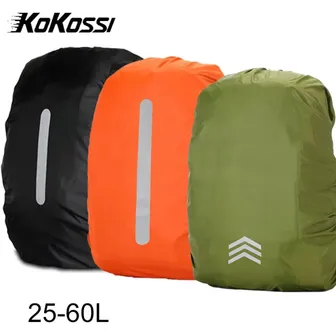
Backpack Rain Cover (25–40 L)
$3.25
10.30 a.m. — the climb
The path left the forest and went up. Not steeply, but for an hour and a half without a break, on loose stone, and by the top one of us was walking with a visible hitch.
The poles that took the weight
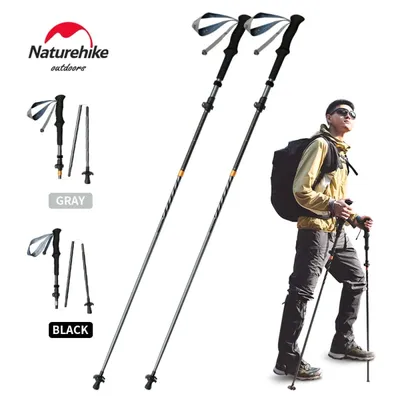
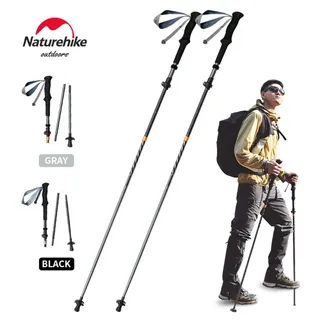
The Naturehike folding trekking poles, about $31 for the pair, were the best money we spent on the day. On the climb they turned a two-legged slog into something closer to four-wheel drive; on the way down, which is where knees actually get hurt, they took a real share of the load each step. They fold to the length of a forearm and the grips are comfortable without gloves. Set the length before you set off; adjusting the locks halfway up a slope is fiddly and nobody enjoys it. We had one pair between two people, and the person without them spent the last hour negotiating for them.
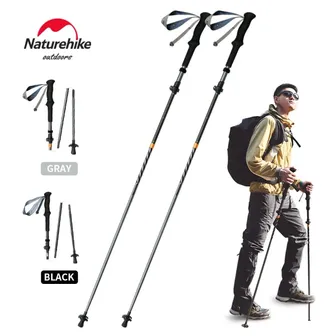
Naturehike Folding Trekking Poles (Pair)
$30.63
The sleeve for the knee that complained
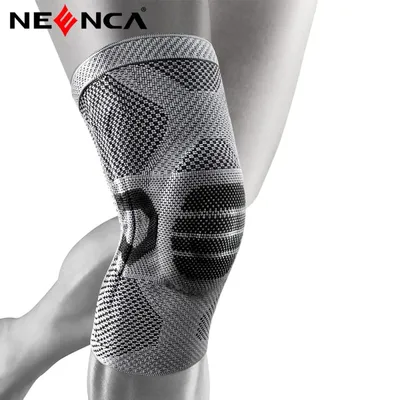
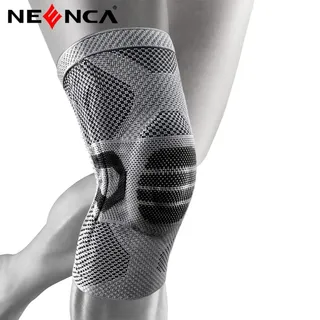
The NEENCA compression knee sleeve, about $20, went on at the top of the climb when the hitch became a limp. It is a thick elastic sleeve that pulls on like a sock and gives the joint a sense that something is holding it together. It stayed put through a hot afternoon and did not roll down, which is the usual failure. It did not fix the knee, but it got the knee down the hill. Measure your thigh before ordering; the sizing is specific and the small was very small.
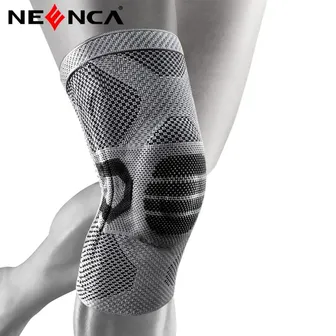
NEENCA Compression Knee Sleeve
$19.65
1 p.m. — the ridge with no shade
The ridge was the reason we had come, and it was beautiful, and it was also four kilometres of bare rock in full sun with a wind that dried your lips and did nothing for the heat. We stopped for lunch on a flat slab and discovered that rock in September is either wet or hot and never in between.
The pad we sat on
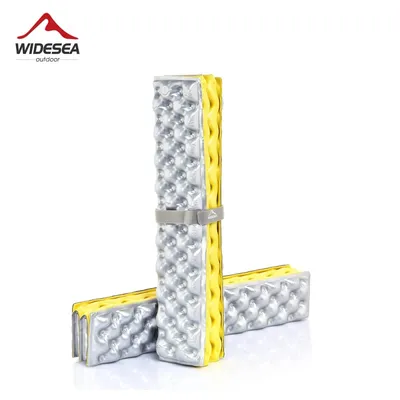
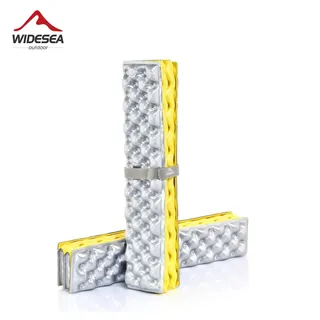
The Widesea XPE foldable sit pad, about $12, is a square of closed-cell foam that folds in four and weighs less than the sandwich we ate on it. It kept damp rock and pine needles off our legs and, more than that, it made stopping feel like a decision rather than a collapse. Foam like this dents over a season; it is a comfort item and we have no complaints about that.
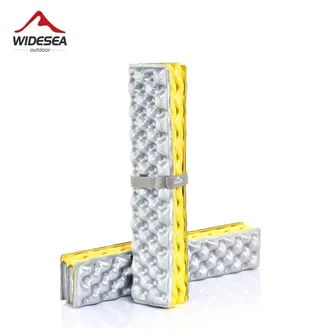
Widesea XPE Foldable Sit Pad
$12.33
The glasses for the glare
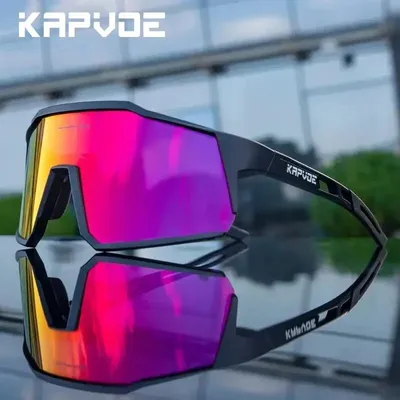
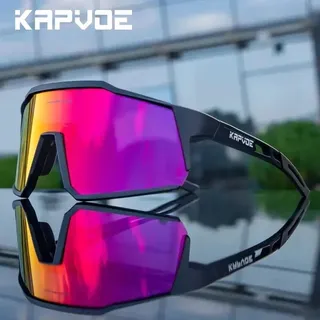
The Kapvoe polarised sport glasses, about $9, are light wraparound lenses that cut the glare off pale rock and the haze in the valley. They weigh almost nothing and stayed on through a lot of head-down scrambling. They fog briefly if you stop suddenly after a climb, which is a thing all sport glasses do.
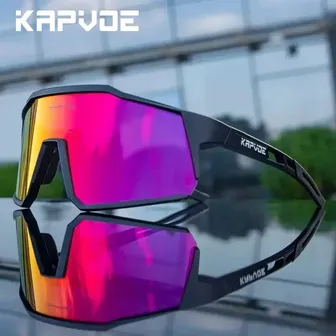
Kapvoe Polarized Sport Glasses (UV400)
$8.75
The towel that was the shade
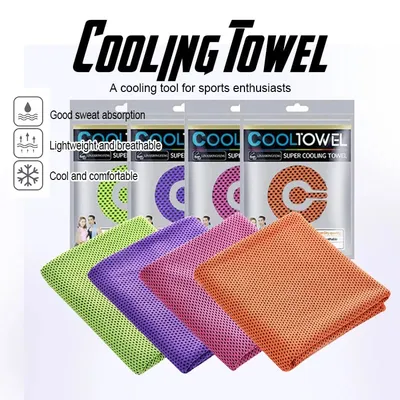
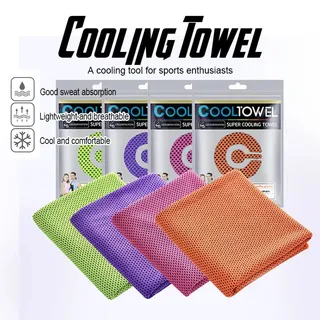
The instant cooling towels, about $5 for four, are thin cloths that you wet, wring and drape over your neck. For about twenty minutes they are genuinely cold, and on a ridge with no shade twenty minutes of cold on the back of your neck is a lot. Then you wet them again. We used two and shared the flask to do it, which was a trade we were happy to make.
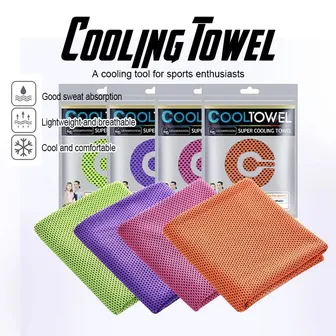
Instant Cooling Towels (4-Pack)
$4.82
6 p.m. — the descent, and then the dark
The descent through the forest was supposed to take two hours. With one knee and one pair of poles between us it took three and a half, and the sun went down with two kilometres to go.
The light that clipped to a cap
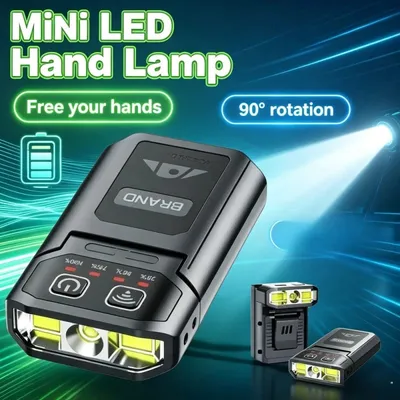
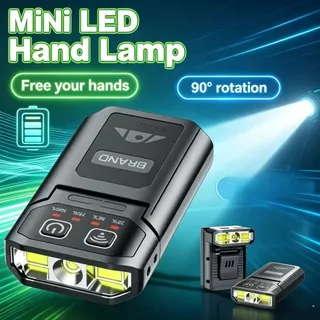
The lightweight sensor cap-clip headlamp, about $11, clips to the brim of a cap and switches on when you wave a hand in front of it, which means you never take a hand off a pole to fumble for a button. It threw enough light to see roots and the next marker and no more, which is all we needed. The clip wants a stiff brim; on a soft beanie it drooped and had to be held in place. One light between two people was enough on a path; on anything rougher we would carry two.
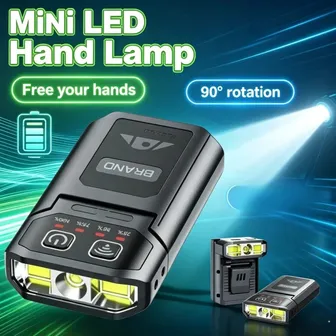
Lightweight Sensor Cap-Clip Headlamp
$11.19
The kit we opened for a heel
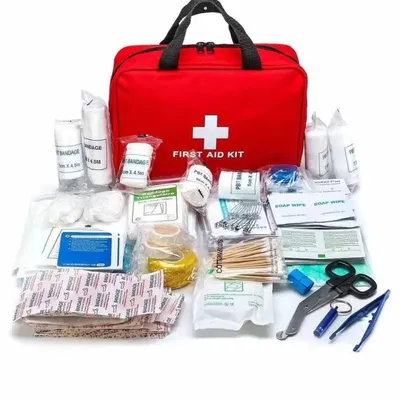
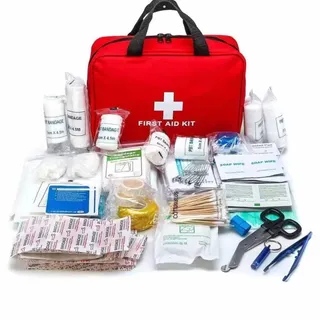
The 184-piece portable first aid kit, about $13, is a zip pouch of plasters, tape, wipes and small things. We opened it once, at the last stop before dark, for a hot spot on a heel that was about to become a blister. A wipe, a plaster and a strip of tape and the heel made it to the car. It has a great many small items and nothing for anything serious; the one thing we have added since is a proper blister pad.
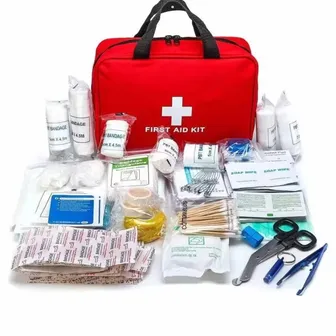
184-Piece Portable First Aid Kit
$12.82
We reached the car at twenty to nine, in the dark, with one working knee between us and a new respect for a sign that says six hours. We have been back twice since, with two pairs of poles.
What we’d leave at home
Everything in this story
Naturehike 18L Ultralight Daypack
$16.33
25L Hiking Daypack with MOLLE Straps
$19.69
TYESO Stainless Thermos Bottle (Outdoor Sports)
$10.33
Backpack Rain Cover (25–40 L)
$3.25
Naturehike Folding Trekking Poles (Pair)
$30.63
NEENCA Compression Knee Sleeve
$19.65
Widesea XPE Foldable Sit Pad
$12.33
Kapvoe Polarized Sport Glasses (UV400)
$8.75
Instant Cooling Towels (4-Pack)
$4.82
Lightweight Sensor Cap-Clip Headlamp
$11.19
184-Piece Portable First Aid Kit
$12.82
Everything here comes to about $150. Prices in USD; they move a little from week to week.
Frequently asked questions
What should I carry on a long day hike?
Water, food, a layer, a light and a small first aid kit, in a pack that fits close to your back. Poles if there is real climbing. Our full list for two people came to about $150, and the pack and poles were half of that.
Do I really need trekking poles?
For a flat walk, no. For anything with a long descent, they are the difference between sore knees and wrecked knees. We bought one pair at about $31 and the person without them spent the last hour asking to borrow them.
What size daypack do I need for a day hike?
Eighteen to twenty-five litres. Eighteen is enough for water, lunch and a shell if you pack carefully; twenty-five gives you room for an extra layer and poles strapped on the outside. We carried one of each and both were right for the person wearing them.
Should I carry a headlamp on a day hike?
Yes, always, even if you expect to be back by four. Our day ran two hours over the estimate and the last kilometre was in the dark. A clip-on light cost about $11 and weighed less than a muesli bar.
What goes in a hiking first aid kit?
Mostly blister care: plasters, tape, antiseptic wipes and a proper blister pad. A small ready-made kit at about $13 covered everything except the blister pad, which we have added since.