
Our First Kitchen From Nothing: The 10 Things That Got Us Cooking
We moved into a flat with a hob, a sink and nothing to cut on. The story of our first two weeks of dinners, and the ten things that made it a kitchen.
10 products8 min read
The flat with a hob and nothing else
We got the keys on a Friday in late September. The flat had a four-ring hob, a sink, a cupboard that smelled of the previous tenant’s curry powder, and a single teaspoon in a drawer. Neither of us had ever owned a kitchen. We had both cooked, in other people’s, with other people’s knives.
We decided not to buy a starter set of thirty things we didn’t understand. Instead we wrote down what the first two weeks would actually consist of — one dinner tonight, breakfast tomorrow, a week of weeknight cooking, and somewhere to put it all when it was washed — and bought for those four moments as they arrived.
This is the story of those two weeks, with the things appearing where they appeared for us.
7 p.m. — the first dinner, on an upturned plate
The first dinner was supposed to be pasta with a tomato sauce. We had an onion, a tin of tomatoes, a packet of spaghetti and, we realised at seven o’clock, a borrowed butter knife and a dinner plate turned upside down to cut on. The onion slid. The plate chipped. We ate at nine.
The knives that got us through the first week
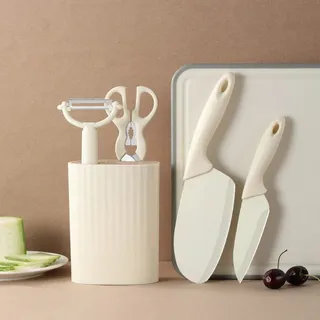
The five-piece kitchen knife, scissors and peeler set, about $9, was the first thing we ordered and the first box to arrive. It is a chef’s knife, a small knife, a swivel peeler and a pair of kitchen scissors, all in a ribbed holder that stands on the counter. The blades are coated steel in a cream colour that looks nicer than it has any right to at this price, and for two weeks they sliced onions, broke down a chicken and opened every bag of pasta. They are starter knives; by day eight the big one needed persuading through a tomato skin, and we come back to that below.
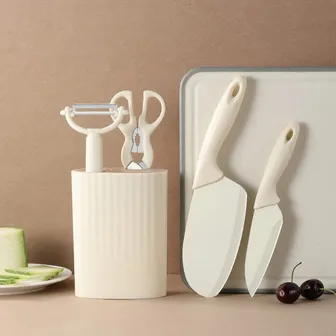
Kitchen Knife, Scissors and Peeler Set (5-Piece)
$8.72
The board that replaced the plate
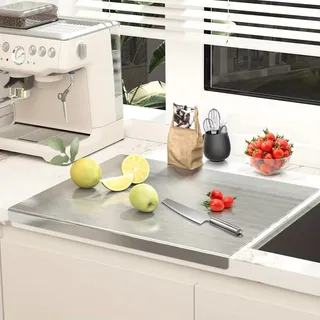
The stainless steel chopping board with an anti-slip edge, about $17, is a flat sheet of steel with a rubber rim, and it was the single biggest upgrade of the fortnight. It doesn’t stain, it doesn’t hold the smell of garlic, and after the chicken it went in the sink with the plates rather than being scrubbed and worried about. Steel is louder under a knife than wood and it is harder on the edge, which is one of the reasons the starter knives dulled as fast as they did. We still reach for it first.
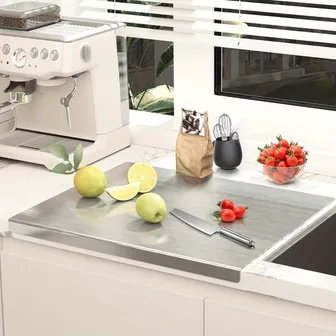
Stainless Steel Chopping Board (Anti-Slip Edge)
$16.99
The one pan that did everything
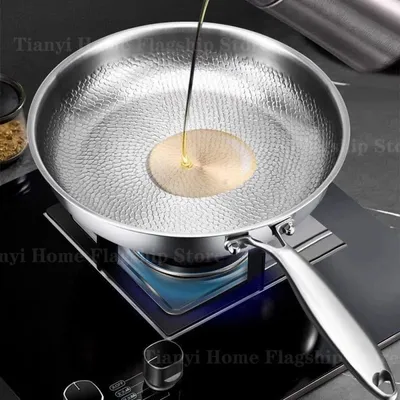
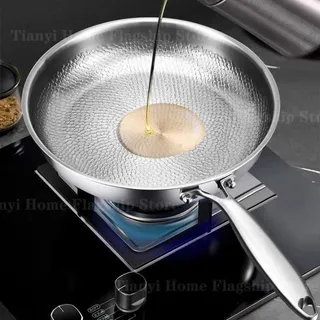
The titanium stainless steel non-stick frying pan, about $38 in the 28-centimetre size, was the most expensive thing we bought and the one we would buy again first. The body is stainless steel with a honeycomb-textured non-stick surface and a riveted steel handle, and it sat flat on the hob without rocking. In two weeks it fried eggs, seared two steaks, made a chicken curry with a dinner plate for a lid and did a stir-fry that overflowed onto the hob because we hadn’t yet learned about pan size. It is heavy — a good sign in a pan, a surprise when you are washing it — and the handle gets warm on the biggest ring.
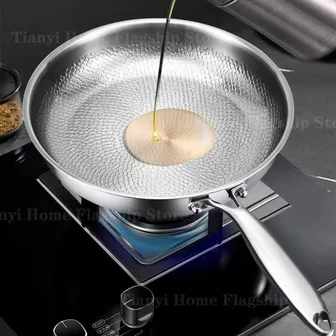
Titanium Stainless Steel Non-Stick Frying Pan (28 cm)
$38.39
We ate the pasta at nine, on the floor, and were pleased with ourselves right up until the next morning.
8 a.m. — pancakes, by guesswork
The next morning one of us wanted pancakes and the other wanted to prove we could make them. We had flour, eggs and milk. We had no bowl, nothing to measure with and no idea how long an egg takes to boil. The first batch was poured from a saucepan lid and came out like crêpes with ambitions.
The scale that ended the guessing
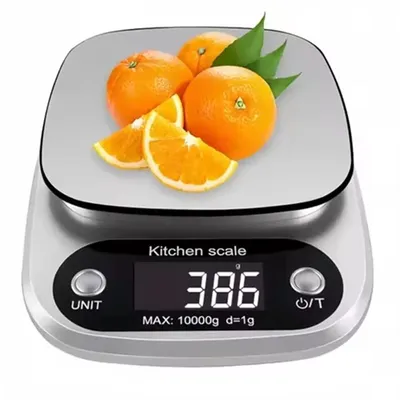
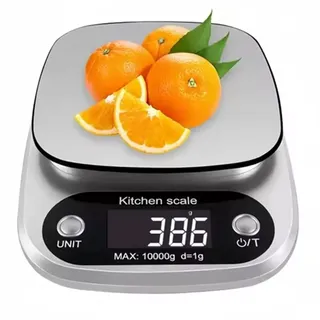
The digital kitchen scale, about $11, weighs up to 10 kilograms in one-gram steps on a flat glass top, and it has a tare button, which is the whole point. Put the bowl on, zero it, add flour; zero it, add milk. Pancake batter stopped being a mood and became a recipe. We use it every day now — for rice, for pasta, for the coffee one of us has become insufferable about. One-gram steps are fine for cooking; if you get into coffee or bread properly you will want a second, finer scale.
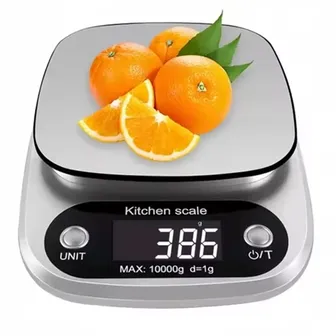
Digital Kitchen Scale (10 kg / 1 g)
$10.65
The bowls we whisked in
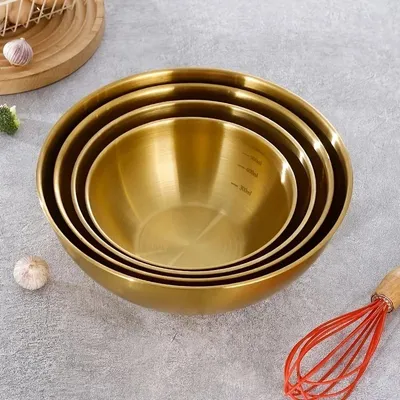
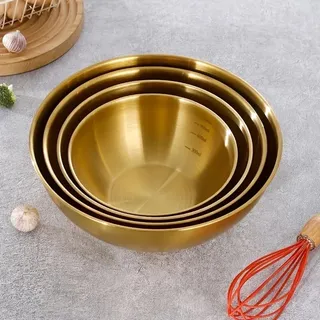
The set of three stainless steel mixing bowls, about $9, arrived the same day and solved the saucepan-lid problem. They nest inside each other, they take up less cupboard than a shoebox, and the big one is wide enough to whisk in without redecorating the wall. They have no lids, so leftover batter still lives under a plate in the fridge, and the smallest one has since become the salad bowl and the thing we put peelings in.
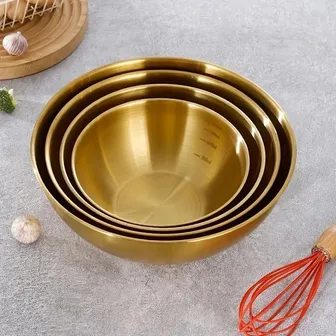
Stainless Steel Mixing Bowls, Set of 3
$9.45
The timer stuck to the extractor hood
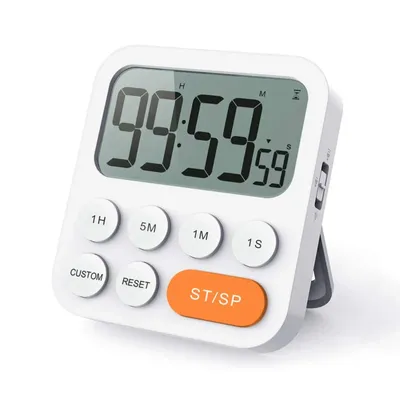
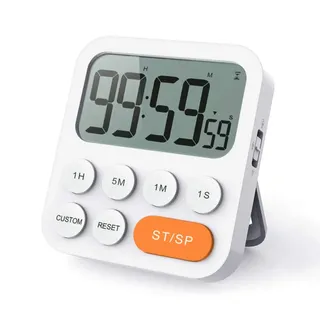
The digital kitchen timer with a magnet on the back, about $7, is the kind of small loud thing we would never have bought if the eggs hadn’t gone wrong twice. It has buttons for one hour, five minutes, one minute and one second, it counts down and then up so you know how badly you have overrun, and it sticks to the extractor hood above the hob. A phone does the same job; the difference is that the phone ends up with flour on the screen and in the other room.
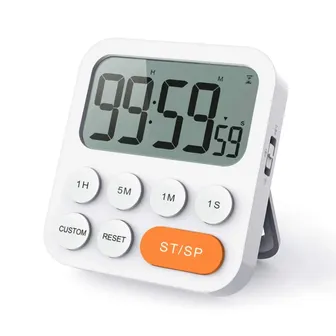
Digital Kitchen Timer with Magnet
$7.49
The pancakes on day two were good. The week that followed was when we found out which of our habits the kitchen couldn’t support yet.
The first proper week — the Wednesday the knife stopped cutting
By the Wednesday we had cooked five dinners in a row and two things had happened. One of us had grated a knuckle on a borrowed box grater and announced that we would be buying cheese pre-grated forever. And the chef’s knife, which had sailed through an onion on Friday, was folding a tomato skin instead of cutting it.
The grater that kept our knuckles
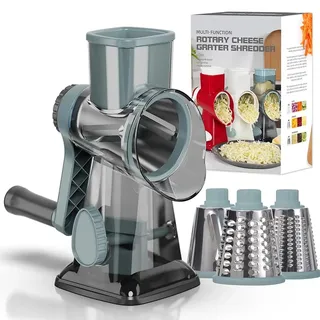
The LMETJMA 3-in-1 rotary cheese grater, about $19, is a hand-crank drum grater with three stainless steel drums — fine, coarse and a slicing drum — that clamps to the counter with a suction foot. You feed cheese or carrot into the hopper, turn the handle, and the grated pile comes out the side with your fingers nowhere near a blade. A block of cheddar takes about thirty seconds. It is bulkier than a flat grater, it wants a brush to clean the drums properly, and we would buy it again tomorrow.
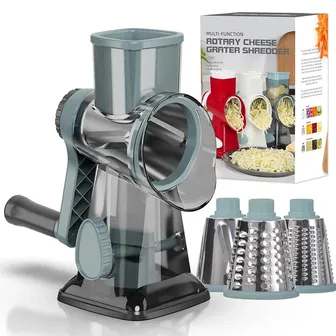
LMETJMA 3-in-1 Rotary Cheese Grater
$19.45
The sharpener that brought the knives back
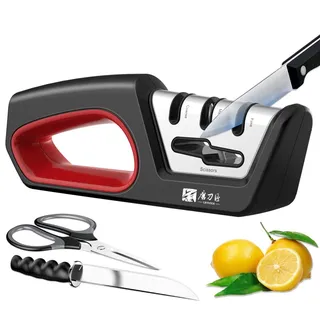
The four-in-one pull-through knife and scissor sharpener, about $16, has a coarse slot, a fine slot, a ceramic polishing slot and a notch for scissors. Twenty pulls through coarse, ten through fine, five through ceramic, and the chef’s knife that had been folding tomatoes on Wednesday went through one cleanly on Wednesday night. Pull-through sharpeners take off more steel than a whetstone and they are not what you would use on a knife you love. For a $9 set of starter knives they are exactly right, and they are the reason the starter knives are still in use.
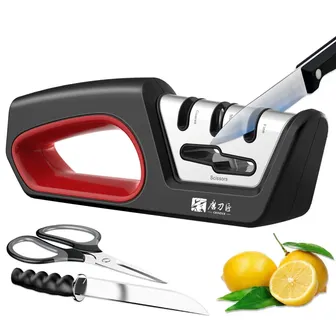
Four-in-One Pull-Through Knife and Scissor Sharpener
$15.92
By the Sunday we could cook. What we couldn’t do was find anything, because the washing-up was living on the counter and the pans were living in a pile.
Sunday evening — where the dishes go
The flat had one cupboard under the sink, with a U-bend in it, and one cupboard next to the hob. By the end of the first week the washing-up liquid, the sponges, the bin bags and a bottle of bleach were in a heap around the pipe, and the frying pan was under two saucepans we didn’t use.
The pull-out shelf under the sink
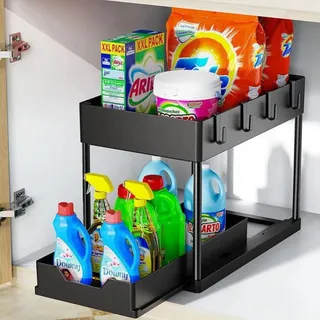
The under-sink pull-out two-tier organizer, about $22, is a black plastic frame with a sliding bottom tray and a fixed upper shelf, built to straddle the pipework. We put the spray bottles and bleach on the bottom tray, where you can pull them out to find them, and the sponges, cloths and bin bags up top, with the hooks on the side holding a brush and a pair of gloves. It took ten minutes to assemble and it has turned the worst cupboard in the flat into the one that works. Measure around your pipes first; a very low or offset trap can block the upper shelf.
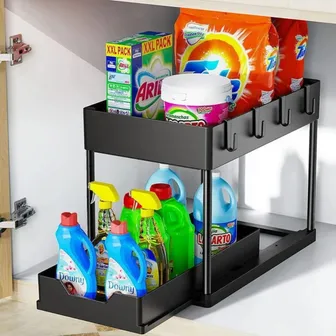
Under-Sink Pull-Out Two-Tier Organizer with Hooks
$21.69
The rack that stood the pans on their edges
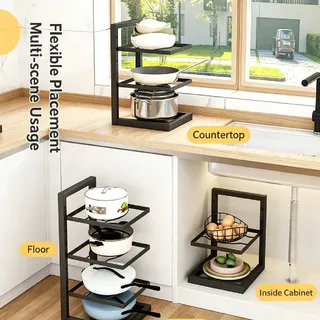
The adjustable carbon steel pot and pan rack, about $20, is a stepped rack with dividers that stands pans and lids on edge in the cupboard next to the hob, like files in a drawer. The frying pan now lives in the front slot, the two saucepans behind it, the lids at the back, and getting one out no longer means getting them all out. The dividers slot in at fixed spacings, so a very thick cast-iron pan may not fit between them; ours are not that pan yet.
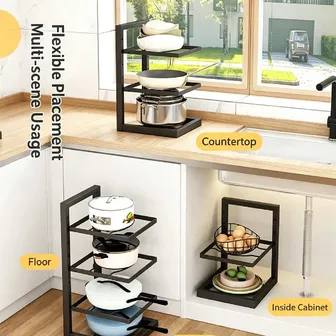
Adjustable Carbon Steel Pot and Pan Rack
$19.55
We cooked a roast chicken that Sunday, in the one pan, with the timer stuck to the hood and the knives sharp, and ate it at a table rather than on the floor. Two weeks after the keys, it was a kitchen.
What we’d leave at home
Everything in this story
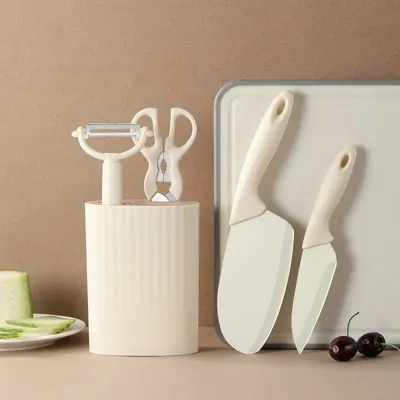
Kitchen Knife, Scissors and Peeler Set (5-Piece)
$8.72
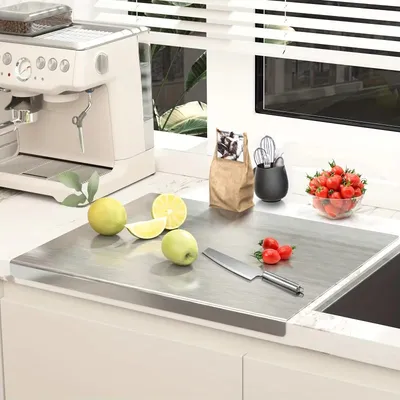
Stainless Steel Chopping Board (Anti-Slip Edge)
$16.99
Titanium Stainless Steel Non-Stick Frying Pan (28 cm)
$38.39
Digital Kitchen Scale (10 kg / 1 g)
$10.65
Stainless Steel Mixing Bowls, Set of 3
$9.45
Digital Kitchen Timer with Magnet
$7.49
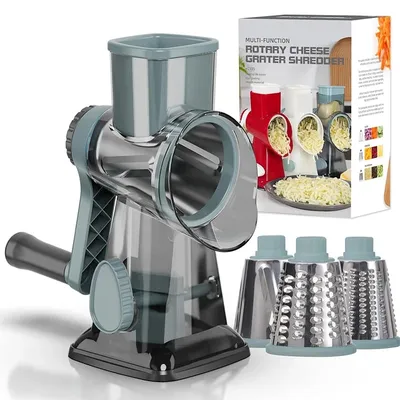
LMETJMA 3-in-1 Rotary Cheese Grater
$19.45
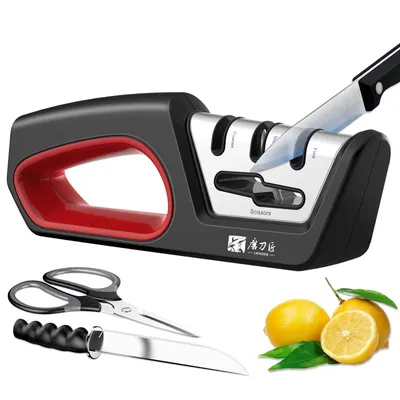
Four-in-One Pull-Through Knife and Scissor Sharpener
$15.92
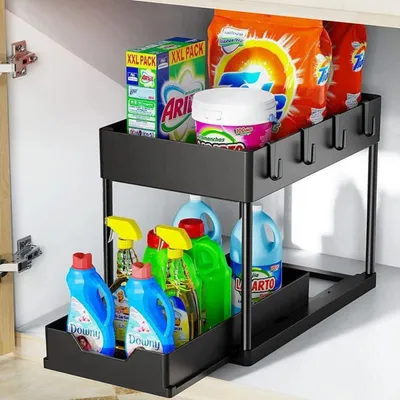
Under-Sink Pull-Out Two-Tier Organizer with Hooks
$21.69
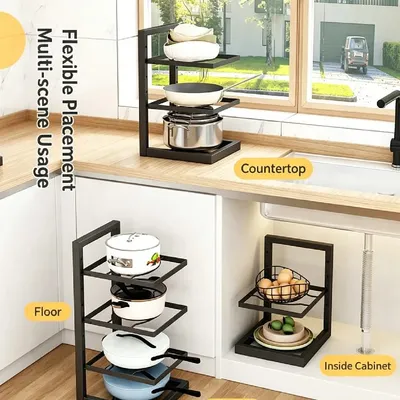
Adjustable Carbon Steel Pot and Pan Rack
$19.55
Everything here comes to about $168. Prices in USD; they move a little from week to week.
Frequently asked questions
What do I actually need to start cooking in an empty kitchen?
Four things, in this order: a knife, a board, one good pan and a scale. Everything else can wait a week. Our first four came to about $75; the full ten-item kitchen in this story was about $168.
Is a cheap knife set good enough for a first kitchen?
Yes, for the first few months, as long as you buy a sharpener with it. The set in this story cost under $10 and did every dinner for two weeks; the edge went dull by the end of the first week, and a $16 pull-through sharpener brought it back.
What should a first frying pan be made of?
Steel or steel-bodied non-stick, 26 to 28 centimetres, with a flat base. That one pan does eggs, stir-fries, a sear and a weeknight curry. Avoid very thin aluminium; it warps on a big burner and food sticks in the middle.
Do I need a kitchen scale if I'm not baking?
You need one more than you think. Rice, pasta and coffee all go wrong by guesswork, and a scale with a tare button lets you weigh straight into the pan. Ours cost about $11 and is used daily.
How far ahead should I order kitchen things for a move?
Two to three weeks before you get the keys. Most of this ships from overseas and takes one to three weeks, and the first dinner is the one you most want a knife for.