
How We Stopped Buying Coffee: The 10 Things That Made It at Home
A jar of instant became a twelve-pound-a-week café habit in a month. The story of learning pour-over at home, and the things that made the first good cup.
10 products8 min read
The café downstairs
We moved into the flat with a jar of instant and a mug the previous tenant had left in the cupboard. Under the flat there is a café, and within a month we were down there every morning, two flat whites and a pastry, twelve pounds a week and rising. One of us said, out loud and slightly defensively, that we could learn to do this at home.
We already owned a plastic pour-over cone from a supermarket, bought on a whim and never used. What we did not own was anything that made it work. So we bought for the mornings as they went wrong, which they did, in a specific order: the beans, the water, the pour, and the state of the counter afterwards.
This is the story of the week it took, with the things appearing where they appeared for us.
6.50 a.m. — a bag of whole beans and nothing to grind them with
The first bag of proper beans came from the café itself, which felt like a betrayal. We got it home and realised that whole beans need grinding, and that the blender we didn’t own was not the answer. The bag sat open on the counter for two days, which is also a mistake, as we found out.
The grinder that turned beans into something even
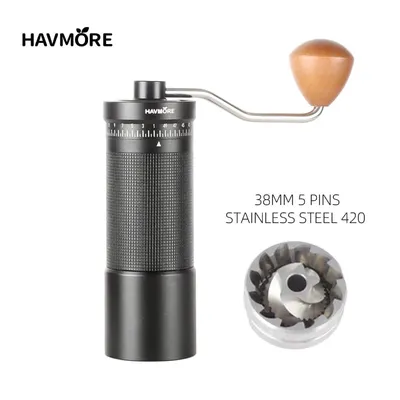
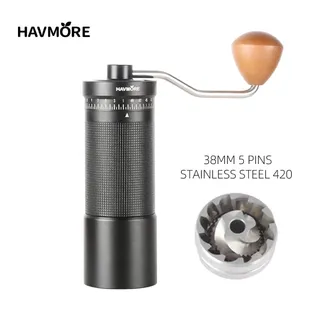
The Havmore manual conical burr coffee grinder, about $34, is a black aluminium cylinder with a fold-out steel handle, a wooden knob and 38-millimetre stainless steel burrs inside. You click the adjustment ring to a number — we settled on the low twenties for filter — tip in about 30 grams of beans, and turn. It takes just over a minute for two cups and the grounds come out even, like coarse sand, instead of the mix of dust and gravel the first spoon of pre-ground had been. At espresso fineness it is a workout; for pour-over and a French press it is quiet, small and faintly satisfying.
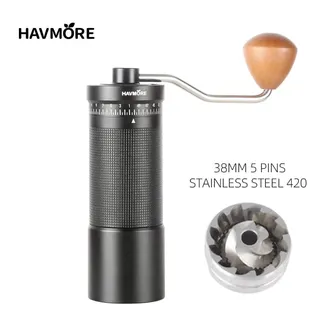
Havmore Manual Conical Burr Coffee Grinder (Stainless Steel)
$33.79
The jar that stopped the beans going stale
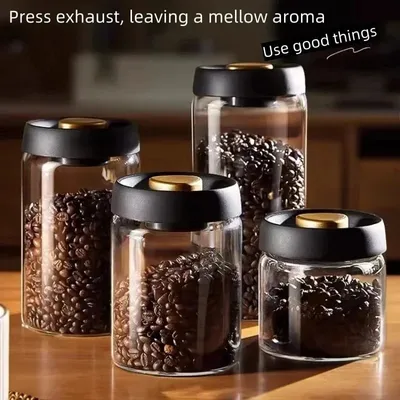
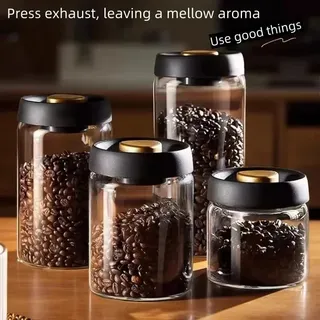
The vacuum-sealed borosilicate glass coffee bean jar, about $12, has a black lid with a plunger in the middle: you press it a few times and it pumps the air out. The bag that had sat open on the counter for two days tasted flat by the end of the week. The next bag went straight into the jar and still tasted like itself on day twelve. Glass lets light in, so ours lives in the cupboard rather than on the windowsill, which is a small loss for a kitchen that otherwise likes to show off its coffee.
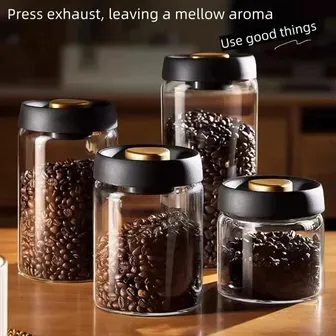
Vacuum-Sealed Borosilicate Glass Coffee Bean Jar
$12.09
The little mister one of us thought was ridiculous
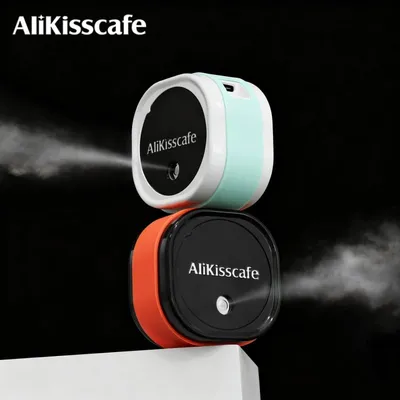
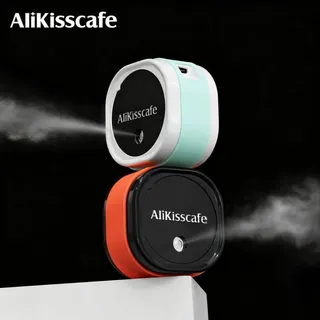
The electric anti-static coffee bean mister, about $9, is a USB-charged puck the size of a bar of soap that puffs a fine mist of water. One puff over the beans in the hopper before grinding and the grounds stop clinging to the inside of the grinder and leaping onto the counter. It is pure fuss, and one of us said so; a damp teaspoon handle stirred through the beans does most of the same job. It stayed because it is quicker, and because the counter is cleaner.
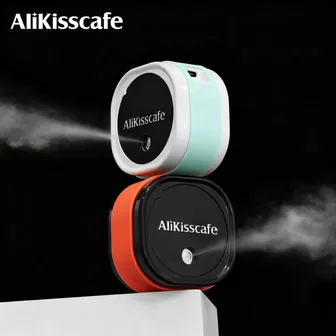
Electric Anti-Static Coffee Bean Mister (USB)
$9.25
With the beans ground, we boiled the kettle — the normal one — and poured. Which brings us to the second morning.
7 a.m. — water, and the wrong temperature
The first cup was made with a stovetop kettle and boiling water. The pour went in with a glug, flooded the cone, and the cup tasted bitter and thin at the same time, which we hadn’t known was possible. The café’s barista, when asked, said two words: temperature and control.
The kettle that poured where we aimed it
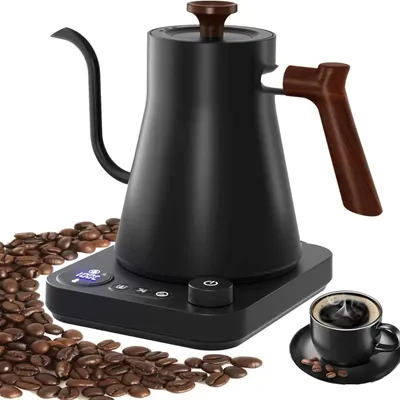
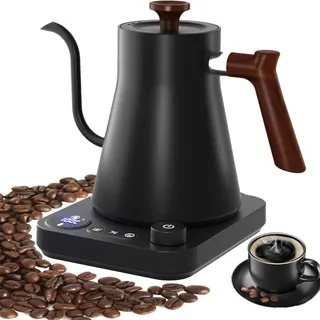
The electric gooseneck kettle with temperature control, about $51, holds 900 millilitres and has a dial on the base that takes it to a set temperature and holds it there. Set to 92 degrees, it lets you pour a thin, steady stream through its curved spout exactly where you point it, in slow circles over the grounds. That one change — a thin stream at 92 instead of a glug at 100 — took the bitterness out of the cup overnight. The one thing to know is capacity: 900 millilitres is two large cups, so when friends stayed we boiled twice.
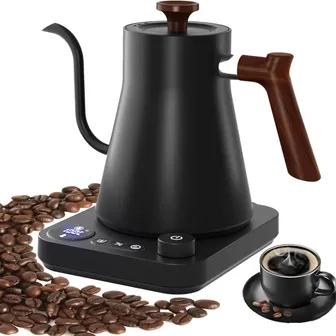
Electric Gooseneck Kettle with Temperature Control (900 ml)
$51.49
The scale that made the second cup taste like the first
The TIMEMORE Basic 3 pour over coffee scale, about $39, weighs to a tenth of a gram and has a timer that starts by itself when you begin pouring. We put the cone and cup on it, zero it, add 30 grams of coffee, zero it, and pour to 500 grams in about three minutes. A flow-rate readout tells you when you are pouring too fast, which at first was always. It is the thing that turned a lucky cup into a recipe we could repeat the next day. The glossy black top shows every drip, and we wipe it after each brew.

TIMEMORE Basic 3 Pour Over Coffee Scale (0.1 g, Auto Timer)
$39.19
By the fourth morning the coffee was good. The pour, however, was still a wobbly spiral that left a crater on one side of the cone, and one of us wanted a flat white.
7.10 a.m. — the wobbly pour
A pour-over is supposed to wet the grounds evenly. Ours wet one side, and the other side stayed dry and pale while the wet side over-extracted. Our hands were the problem. We bought two things for that, and one thing for the person who still wanted milk.
The dropper that levelled the bed
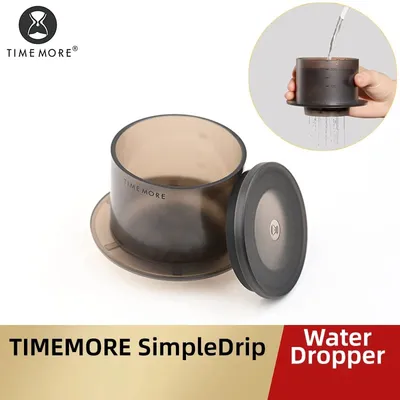
The TIMEMORE SimpleDrip water dropper, about $19, is a small smoked-plastic cup with thirteen holes in its base and a lid. You sit it on top of the dripper, pour the kettle into it, and it rains water evenly over the whole bed of coffee whether your hand is steady or not. The crater disappeared the first morning. It does take some of the pleasure out of pouring, and once our hands settled we started leaving it in the cupboard on weekdays and using it on the mornings we are not awake yet.

TIMEMORE SimpleDrip Water Dropper (13-Hole Lid)
$18.85
The cups we could see the coffee in
The Kemorela ripple glass coffee cups, about $10 for two, are borosilicate glasses with a wavy profile, 350 millilitres each, with glass straws and a cleaning brush in the box. Seeing the colour of the coffee — a clear amber rather than the black of a mug — turned out to be half the pleasure, and the ripples give you something to hold. Single-wall glass is hot with a fresh brew, so we sip at the table rather than carry them about; by the afternoon they are full of iced coffee, which is where the straws come in.

Kemorela Ripple Glass Coffee Cups, 350 ml (Set of 2)
$10.05
The frother for the flat-white holdout
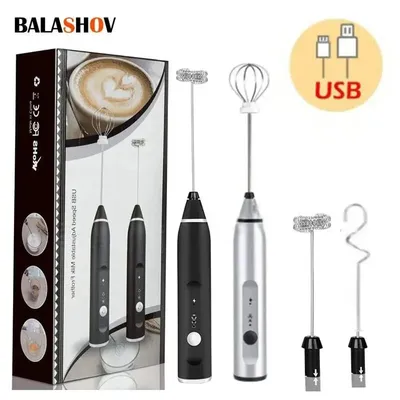
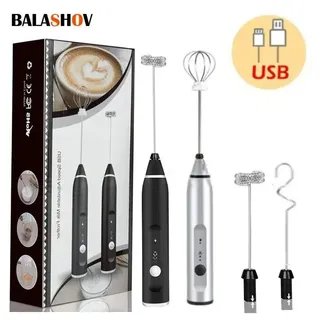
The USB rechargeable handheld milk frother, about $9, is a battery whisk with a small spiral head. Warm a mug of milk, hold the whisk just under the surface for about twenty seconds, and it turns into a dense foam that pours over a strong pour-over into something a long way from a café flat white and close enough for seven in the morning. It froths; it does not heat. The first attempt, on cold milk, produced cold bubbles and a short argument.
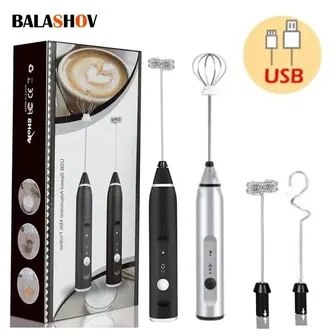
USB Rechargeable Handheld Milk Frother
$9.02
By the end of the first week we had a cup we were proud of, and a counter we were not.
7.30 a.m. — the counter afterwards
Pour-over leaves a trail: grounds around the grinder, a ring under the kettle, a wet dripper dripping onto the worktop, and a scale, a jar, two glasses and a mister spread across a metre of counter in a one-metre kitchen.
The mat that caught everything
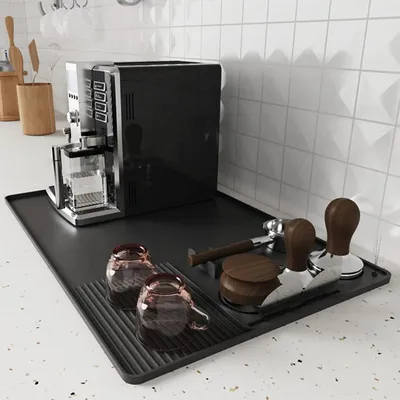
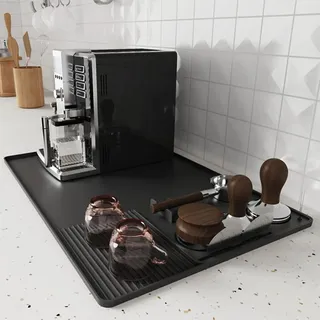
The 3-in-1 silicone coffee bar mat, about $5, is a large black mat with a raised lip and a ribbed drying section at one end. The wet dripper stands on the ribs and drains, the kettle and grinder sit on the flat part, and the grounds that escape land on the mat instead of in the grout. It rinses under the tap in ten seconds. Silicone does collect dust and fine grounds, so it wants that rinse every couple of days rather than once a week.
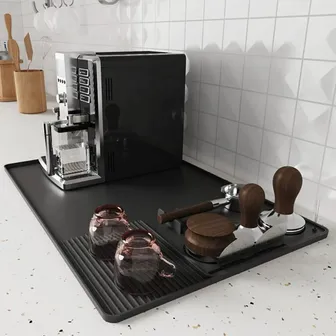
3-in-1 Silicone Coffee Bar Mat with Drying Ribs
$5.29
The shelf that gave the coffee one square foot
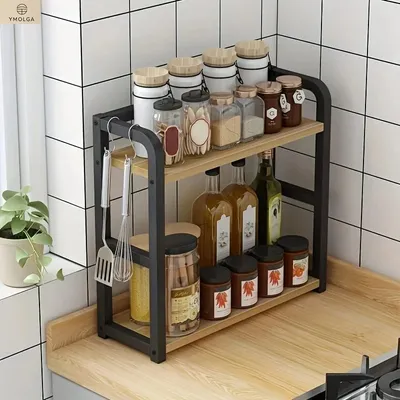
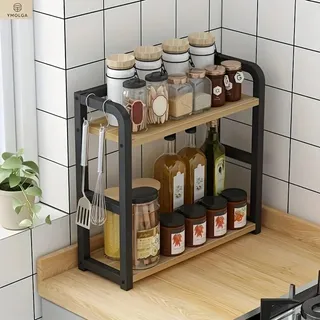
The Ymolga 2-tier wood and metal countertop shelf, about $31, is a black steel frame with two wooden shelves and hooks on the side. The bean jar, the glasses and the grinder went on the top shelf, the scale and the dripper on the bottom, and the kettle in front on the mat. The whole ritual now lives in one square foot in the corner, which in a kitchen this size is the difference between a hobby and a mess. Measure the gap under your wall cupboards first; at two tiers it is taller than it looks in the photo and ours clears by a finger’s width.
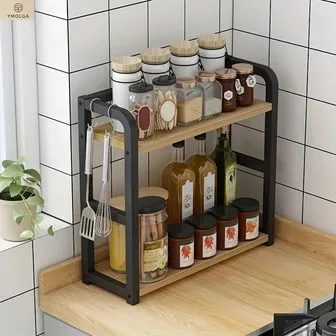
Ymolga 2-Tier Wood and Metal Countertop Shelf
$30.59
We still go to the café on Saturdays, for the pastry. The rest of the week the twelve pounds stays in the account, and the flat smells of coffee at seven in the morning, which is a better way to wake up than a lift.
What we’d leave at home
Everything in this story
Havmore Manual Conical Burr Coffee Grinder (Stainless Steel)
$33.79
Vacuum-Sealed Borosilicate Glass Coffee Bean Jar
$12.09
Electric Anti-Static Coffee Bean Mister (USB)
$9.25
Electric Gooseneck Kettle with Temperature Control (900 ml)
$51.49

TIMEMORE Basic 3 Pour Over Coffee Scale (0.1 g, Auto Timer)
$39.19
TIMEMORE SimpleDrip Water Dropper (13-Hole Lid)
$18.85

Kemorela Ripple Glass Coffee Cups, 350 ml (Set of 2)
$10.05
USB Rechargeable Handheld Milk Frother
$9.02
3-in-1 Silicone Coffee Bar Mat with Drying Ribs
$5.29
Ymolga 2-Tier Wood and Metal Countertop Shelf
$30.59
Everything here comes to about $220. Prices in USD; they move a little from week to week.



Frequently asked questions
What do I need to make pour-over coffee at home?
Three things that matter and a handful that help. The three are a burr grinder, a kettle you can pour slowly from, and a scale with a timer. Ours came to about $124 together; the full ten-item setup in this story was about $220, and you can add the rest a month at a time.
Is a cheap hand grinder good enough for pour-over?
Yes, if it has steel conical burrs and a stepped adjustment. The one in this story cost about $34 and makes an even grind for two cups in about a minute. Where cheap grinders fall down is espresso, which needs a much finer and more consistent grind than a filter cup.
Do I really need a gooseneck kettle?
For pour-over, yes, more than any other single thing after the grinder. A normal kettle dumps water in a glug; a gooseneck lets you pour a thin stream where you aim it. Temperature control is the second reason: filter coffee wants about 92 degrees, not a rolling boil.
Why does a coffee scale need a timer?
Because a good cup is a ratio and a clock: so many grams of coffee, so many grams of water, poured over so many minutes. A scale that starts timing when you start pouring means you only have to watch one thing. Ours cost about $39 and is the reason the second good cup tasted like the first.
How long does it take to get decent at this?
About a week of mornings. The first three cups were bad, the fourth was fine, and by the second weekend we had stopped going downstairs. Buy beans roasted in the last month, grind just before brewing, and change one thing at a time.